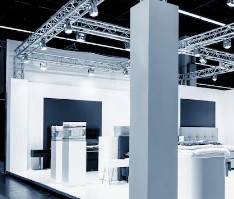
Trade show booth and exhibitions are integral to many businesses’ marketing strategies. They provide a unique opportunity for companies to showcase their products, connect with potential customers, and network with other professionals within their industry. However, as with any marketing initiative, it’s important to evaluate the success of your trade show booth investment to ensure you’re maximizing your return on investment (ROI).
In this article, we will discuss how to measure the success of your trade show booth investment, covering both tangible and intangible metrics that can help you assess your performance. From financial metrics to brand exposure, we’ll explore a comprehensive approach to understanding the effectiveness of your participation in trade shows.
Understanding Trade Show ROI
Before we dive into specific methods of measuring success, it’s important to first understand what ROI means in the context of trade shows. Unlike digital marketing, where metrics like clicks, impressions, and conversions are easily tracked, trade shows are a more complex environment. Your booth’s ROI isn’t just about immediate sales or leads—it encompasses long-term brand recognition, partnerships, and industry credibility. Hence, ROI measurement for trade show participation involves both qualitative and quantitative factors.
Key Metrics to Measure Success
- Lead Generation and Quality of LeadsOne of the most common goals of participating in a trade show is to generate leads. This can be measured through several means:
-
- Number of Leads Collected: Count the number of new leads you acquire at the event. These leads can include contact information, inquiries, or interactions with potential clients or partners.
- Lead Quality: Not all leads are created equal. A high quantity of leads is only valuable if they are qualified. To assess lead quality, evaluate the likelihood of these leads converting into actual customers. Was there a specific interest in your product or service? Did the leads show intent to follow up after the event? Consider implementing a scoring system for the leads based on factors like budget, timeline, and decision-making authority.
- Follow-Up Rate: After the event, track how many leads you follow up with and what response rate you get. A high follow-up rate coupled with positive engagement signals a successful trade show.
-
- Sales and RevenueOne of the most direct ways to measure the success of your trade show booth investment is by tracking sales and revenue directly generated from the event. You can measure this by:
-
- Immediate Sales: Keep track of any products or services sold during the trade show itself. Some businesses offer special discounts or deals during the event to incentivize immediate purchases.
- Post-Event Sales: Not all sales will occur during the event. Some customers may need time to make a purchase decision after meeting you at the booth. Track sales made within a defined period after the trade show (e.g., 30, 60, or 90 days) to see how many leads converted into paying customers.
- Customer Lifetime Value (CLV): If you know the average value of your customers over the long term, you can use this figure to calculate how much future revenue the leads from the trade show could potentially generate.
-
- Brand Exposure and AwarenessEven if your trade show booth doesn’t directly result in a significant number of sales, it can still be a valuable tool for increasing brand awareness. The benefits of greater exposure often extend far beyond the immediate event:
-
- Brand Recognition: Trade shows are a great opportunity to introduce your brand to new audiences. Measure the level of brand awareness by collecting feedback from attendees who visit your booth. Did they recognize your logo? Were they aware of your product offerings? Did they remember your booth and the message you communicated?
- Social Media Mentions and Engagement: Many attendees will take to social media during and after the event to talk about what they saw. Track hashtags, mentions of your booth, and engagement with your content across social platforms. You can use social media analytics tools to quantify this exposure.
- Media Coverage: If your booth attracted media attention, it’s essential to evaluate the press coverage you received. This could include mentions in articles, interviews, blog posts, or coverage in trade show publications. Positive media coverage can significantly enhance your brand’s visibility.
-
- Networking and PartnershipsTrade shows are excellent environments for networking with industry peers, potential partners, and suppliers. Often, the relationships forged at these events can result in valuable partnerships, collaborations, or joint ventures. To evaluate the impact of networking at the event:
- New Partnerships and Collaborations: Track the number of new business partnerships or collaborations initiated at the event. This could include partnerships with other businesses, strategic alliances, or joint marketing efforts that can increase your market reach.
- Referrals: Network relationships can also result in referrals. Track if any new customers or clients come through referrals from industry connections made at the event.
- Supplier and Vendor Opportunities: For some companies, networking with suppliers and vendors at trade shows can lead to better pricing, exclusive product offerings, or other beneficial opportunities.
- Booth Traffic and Engagement MetricsIt’s important to evaluate how many people visited your booth and how engaged they were with your presentation. High booth traffic doesn’t necessarily translate into success, but it can be an indicator that your booth was appealing to the right audience.
- Booth Visitors: Count the number of visitors to your booth. This can typically be tracked through lead forms or scanning badges. You can compare this number to the overall number of attendees at the event to get a sense of how well your booth attracted foot traffic.
- Booth Interaction: Assess the level of engagement within your booth. Were visitors actively participating in demos or asking in-depth questions? Did you hold contests, giveaways, or presentations that drew attention? The more visitors engage with your booth, the more likely they are to remember your brand and follow up after the event.
- Cost-EffectivenessA key factor in evaluating the success of any marketing investment is cost-effectiveness. How much did it cost to participate in the trade show, and did you get value for that investment?
- Total Costs: Calculate the total cost of your trade show participation, including booth design, travel, lodging, staff time, promotional materials, and any other related expenses.
- Cost Per Lead: Divide your total costs by the number of leads generated to calculate your cost per lead (CPL). This will give you an understanding of how efficient your investment was in terms of lead generation.
- Cost Per Sale: Similarly, calculate the cost per sale by dividing the total cost of the event by the number of sales made as a result of the trade show.
- Customer FeedbackGathering direct feedback from attendees who interacted with your booth can provide valuable insights into how well your products or services resonated with the market. Consider conducting surveys or informal interviews to collect feedback on:
- Product Interest: Were attendees interested in your products? Did they express interest in learning more or making a purchase?
- Booth Experience: Did attendees find your booth welcoming and informative? Were your staff knowledgeable and engaging?
- Suggestions for Improvement: Use this opportunity to gather constructive criticism. Were there any aspects of your booth that could have been improved? Did attendees have suggestions for future trade shows?
Measuring the success of your trade show booth investment is a multifaceted process that involves tracking a combination of financial, engagement, and branding metrics. By focusing on lead generation, sales, brand exposure, networking opportunities, booth traffic, and cost-effectiveness, you can gain a clear understanding of how well your trade show investment performed.
Remember, not all successes will be immediately measurable in terms of sales or leads. Sometimes, the benefits of trade shows, such as brand exposure and long-term networking opportunities, become apparent only in the months following the event. By continuously analyzing and refining your strategy based on these metrics, you can ensure that your future trade show investments deliver the highest possible return.
Finally, always assess your performance in the context of your broader business goals and marketing strategy. A trade show may not result in immediate sales, but if it helps you build relationships, increase brand awareness, and position your business as a leader in your industry, it could be one of the best investments you make for your company’s future.